



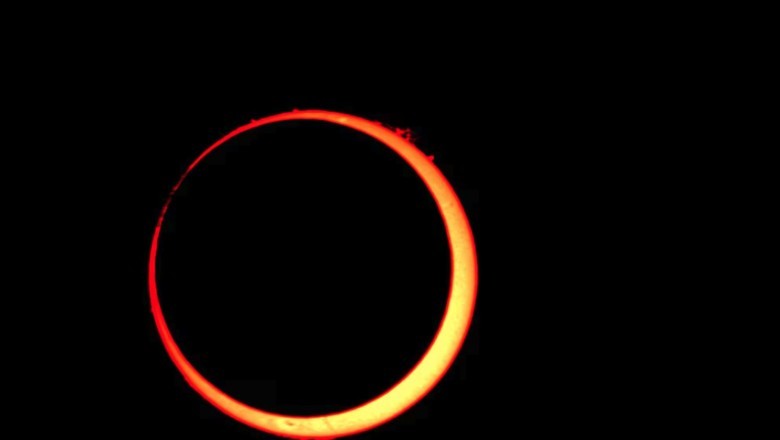
Astronomers say this event stands out for its intensity, rarity, and the remote regions where it will unfold.
The year 2026 is shaping up to be unforgettable for astronomy. One of its most anticipated events is a powerful annular solar eclipse, popularly known as a “ring of fire,” which experts describe as one of the most extreme solar phenomena of the century.
🌑 What makes this eclipse so unusual?
Unlike a total eclipse, the Moon will not fully block the Sun. At its peak:
-
96.3% of the Sun will be covered,
-
A bright ring of sunlight will remain visible around the Moon,
-
The sky will darken, but never reach total darkness.
This striking effect is what gives the eclipse its fiery appearance.
📅 Date and exact timing (UTC)
The eclipse will occur on Tuesday, February 17, 2026, with the following key phases:
-
Partial eclipse begins: ~09:56 UTC
-
Maximum annularity: ~12:11–12:13 UTC
-
Partial eclipse ends: ~14:27 UTC
⏱️ Although the full event lasts over four hours, the iconic “ring of fire” will be visible for just over two minutes at its peak.
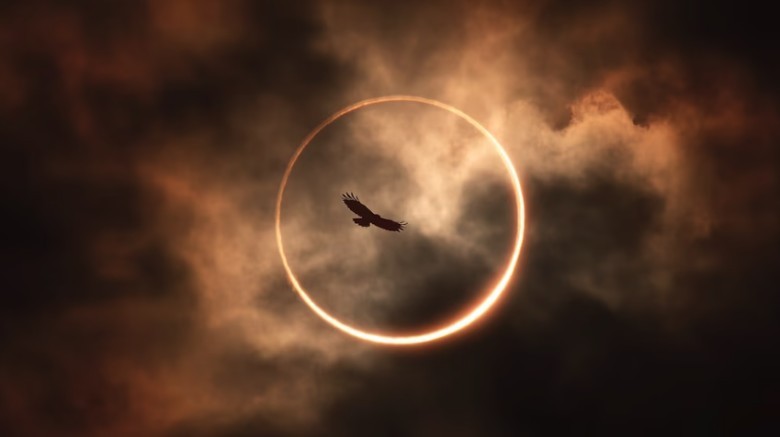
🌕 Why does the “ring of fire” happen?
This eclipse is caused by a rare orbital alignment:
-
The Moon will be near its apogee (its farthest point from Earth),
-
Its apparent size will be slightly smaller than the Sun,
-
As a result, the Moon cannot fully cover the solar disk.
This precise geometry creates the glowing ring that defines an annular eclipse.
🌍 Where will it be visible?
Visibility will depend heavily on location:
Annular phase (full ring):
-
Antarctica
-
Parts of the Southern Ocean
Partial eclipse:
-
Southern South America (Patagonia)
-
Southern Africa
-
Madagascar
-
Nearby oceanic regions
⚠️ Most of the Northern Hemisphere will not be able to see this eclipse.
❄️ Why scientists call it “extreme”
Astronomers highlight several factors that make this event exceptional:
-
Highly defined annularity with near-total solar coverage
-
Rare orbital conditions with the Moon at apogee
-
Extremely remote visibility zone, far from major population centers
These factors combine to make it scientifically valuable—but hard to witness in person.
👀 Safety reminder
Even during partial phases:
-
Never look directly at the Sun without protection
-
Use certified eclipse glasses or proper solar filters
-
Regular sunglasses are not safe
🔭 A historic year for skywatchers
The February eclipse is only the beginning. Later in 2026:
-
August 12: a total solar eclipse visible from parts of Europe and the Arctic
Together, these events make 2026 one of the most important years for modern astronomical observation.














Comments
0 comment