



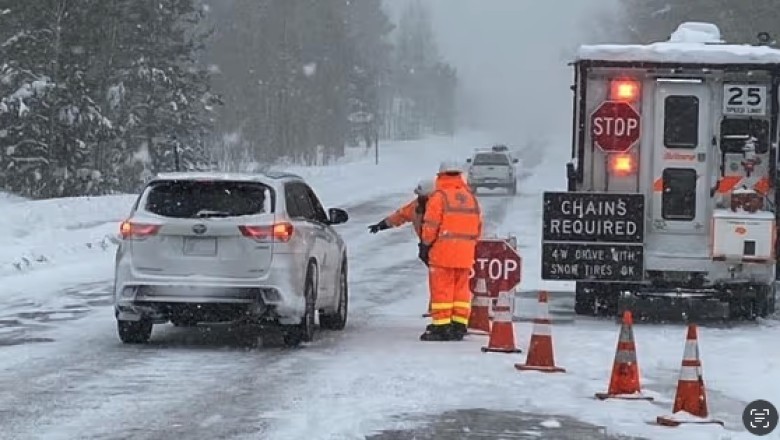
Forecasters caution that some areas could see near-impossible travel as snow piles up and visibility drops.
The National Weather Service (NWS) has issued winter storm warnings for five states across the United States, alerting residents to a prolonged period of heavy snowfall and strong winds expected to begin Tuesday, January 6, and, in some areas, last through Thursday, January 8.
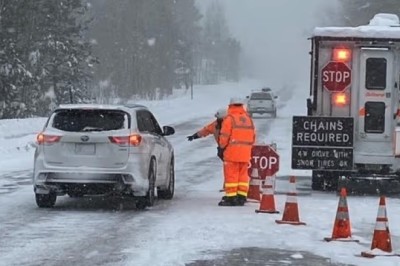
In some regions, snowfall totals could reach up to 35 inches, with winds strong enough to create whiteout conditions—prompting officials to warn that travel may become “very difficult to impossible.” Drivers are being urged to delay trips whenever possible.
In Washington, the Cascade Mountains are expected to be hit particularly hard. Several counties could see up to four feet of snow, with wind gusts reaching 35 to 45 mph. Snowfall rates may climb to one inch per hour during peak periods, creating extremely hazardous driving conditions and severely reduced visibility.
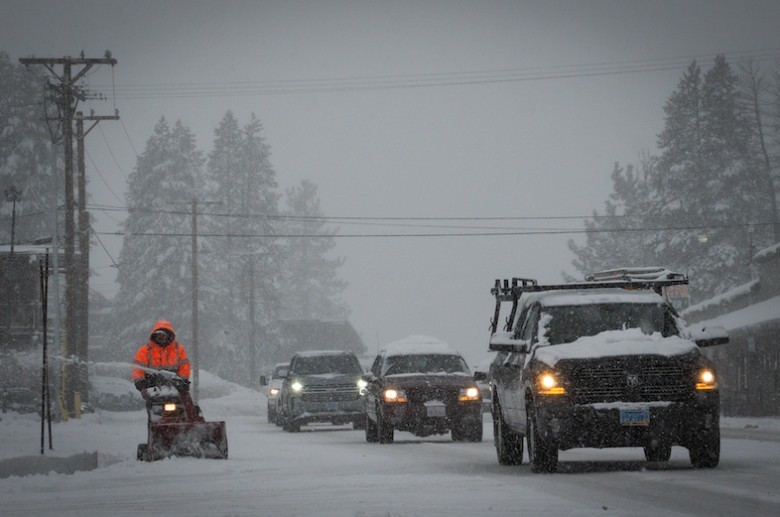
Oregon is also bracing for significant impacts. The eastern slopes of the Cascades and the Blue Mountains could receive between 16 and 35 inches of snow, accompanied by strong winds. Mountain highways and higher-elevation routes face the risk of closures due to rapid snow accumulation.
In Alaska, multiple regions are under winter weather alerts. Coastal and inland communities may see snowfall totals ranging from 4 to 14 inches, with wind gusts up to 60 mph in some areas. Blowing snow is expected to sharply reduce visibility, complicating air, road, and marine travel.
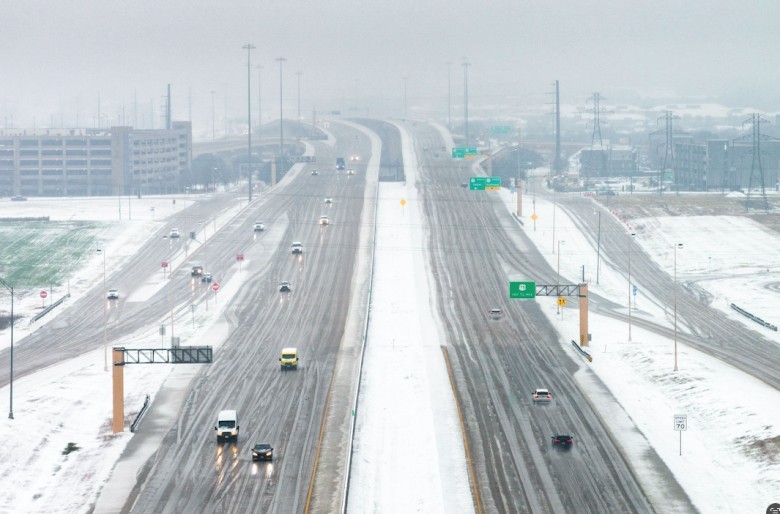
Parts of Idaho are forecast to receive 8 to 18 inches of snow in higher elevations, particularly in mountain passes and northern communities. These conditions are likely to affect daily commutes and freight routes through midweek.
Meanwhile, western Montana could see up to 18 inches of snow in mountainous terrain, with lower elevations still facing several inches and gusty winds. Major highways and passes are expected to be especially treacherous.
The NWS advises anyone who must travel during the storm to prepare emergency supplies, including food, water, and a flashlight, and to check road conditions before departing. Officials stress that staying informed and avoiding unnecessary travel could be critical as the storms intensify.












Comments
0 comment