



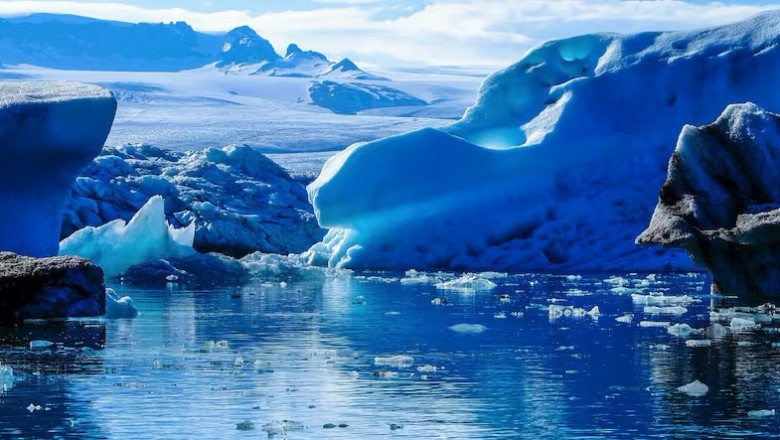
The findings could reshape what we know about life in one of the most extreme and unexplored environments on Earth.
A team of international scientists has announced a groundbreaking discovery in Antarctica that could significantly expand our understanding of marine biodiversity in extreme environments. While exploring the frigid waters of the Southern Ocean, researchers identified a wide range of marine organisms, including species that appear to be entirely new to science.
One of the most striking aspects of the mission was that the discovery was completely unexpected. The expedition’s original goal was not to search for new species, but to study how rising ocean temperatures are affecting Antarctic ice and marine ecosystems—yet the team returned with evidence of life forms never previously documented.
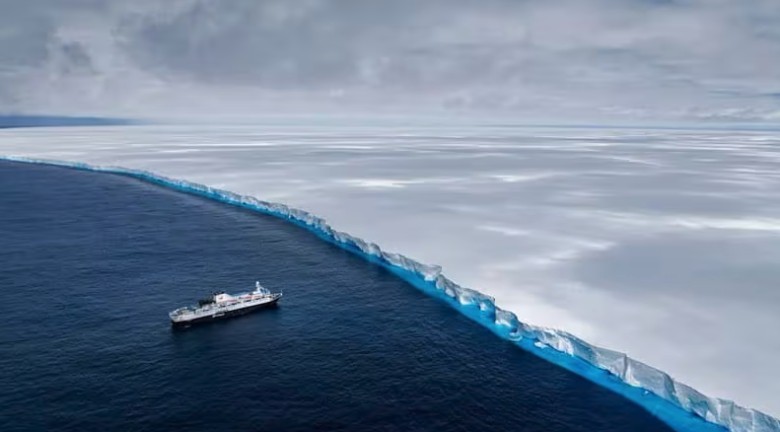
The research was led by Jan Strugnell, professor at James Cook University, who emphasized the importance of the findings. According to the team, the organisms display unusual anatomical traits that suggest they have adapted in remarkable ways to survive under extreme cold, pressure, and limited light.
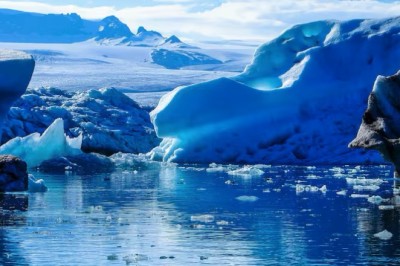
The expedition took place aboard the Australian icebreaker RSV Nuyina during a six-day journey through one of the most remote regions on the planet. Scientists were closely monitoring the Denman Glacier, a massive and rapidly retreating glacier that has receded nearly five kilometers in just over two decades, raising concerns about accelerated ice loss.
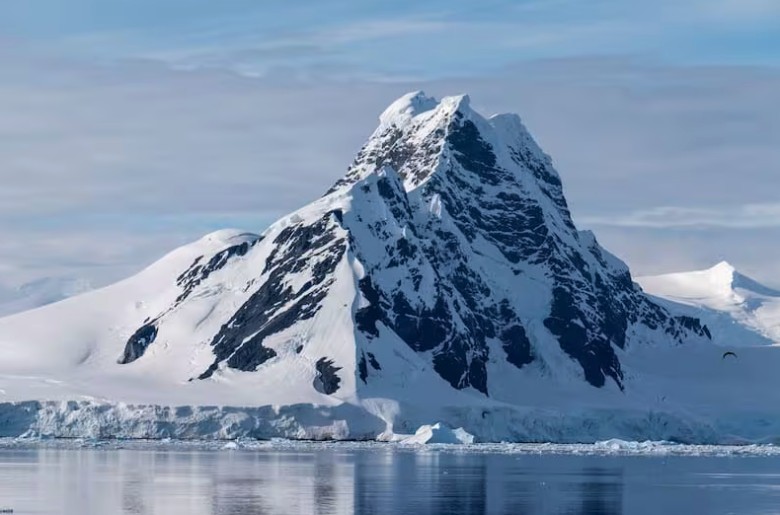
In addition to biological discoveries, researchers also encountered a rare natural phenomenon: an iceberg with a distinctive jade-green color. Marine scientist Delphine Lannuzel explained that this unusual hue is likely caused by high concentrations of iron oxides, which absorb blue light and alter the iceberg’s appearance.
Experts involved in the study stressed that getting physically close to the ice shelves is essential. Understanding how heat moves through the ocean and interacts with ice is key to predicting future changes, they noted, especially as climate-driven transformations continue to intensify in the Antarctic region.
These discoveries highlight how much of Earth’s biodiversity remains hidden—and how climate research missions can unexpectedly unlock entirely new chapters in biological science.












Comments
0 comment