



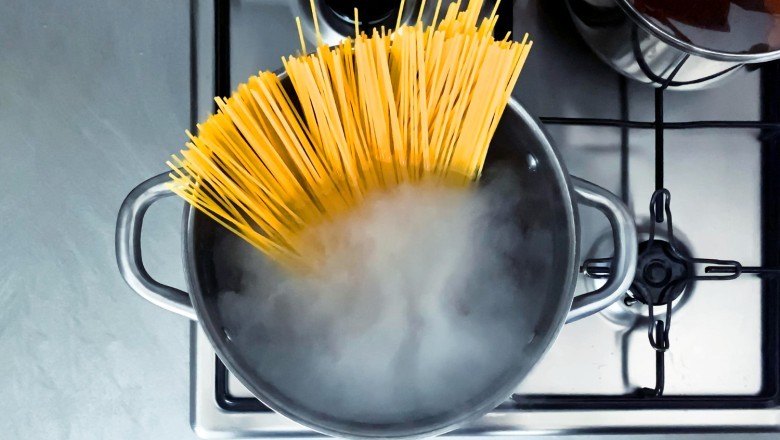
From cooking it al dente to adding protein and fiber, small tweaks can make pasta far more blood-sugar friendly.
Pasta is one of the most popular foods worldwide, loved for its taste, affordability, and versatility. But for people concerned about blood sugar—especially those with insulin resistance or diabetes—how pasta is prepared can matter just as much as how often it’s eaten.
While pasta does raise blood glucose, its effect is often more moderate than other refined carbohydrates like white bread or white rice, thanks to the way its starch structure breaks down during digestion.
The key lies in its glycemic index, which measures how quickly a food raises blood sugar. Pasta generally falls in the middle range, but its exact impact depends on factors such as the type of flour used, cooking time, portion size, and what it’s eaten with.
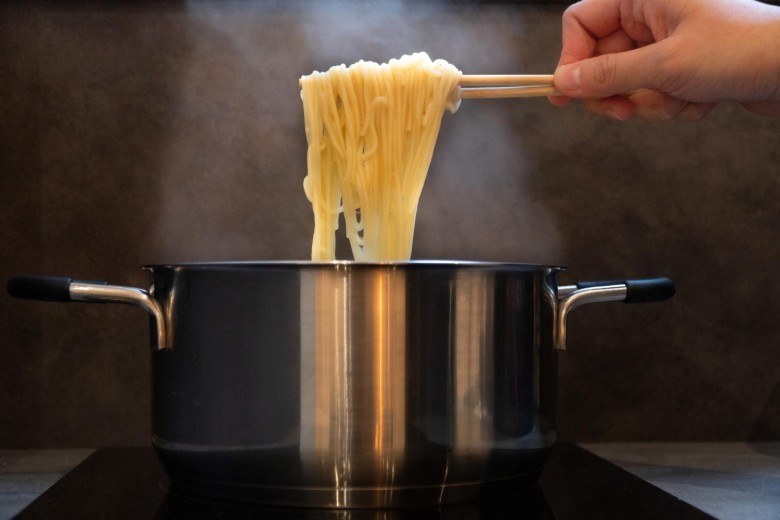
One of the most effective strategies is cooking pasta al dente. When pasta remains slightly firm, its starch structure is harder for digestive enzymes to break down, slowing glucose absorption and reducing sharp spikes in blood sugar.
Choosing whole-grain or fiber-rich pasta can further improve glycemic control. Fiber slows digestion and helps stabilize glucose levels, making these options particularly helpful for people managing metabolic conditions.
Portion size also plays a major role. Eating large servings of pasta regularly increases the body’s demand for insulin, which can lead to higher post-meal glucose levels over time. Moderation and mindful frequency are essential for maintaining metabolic balance.
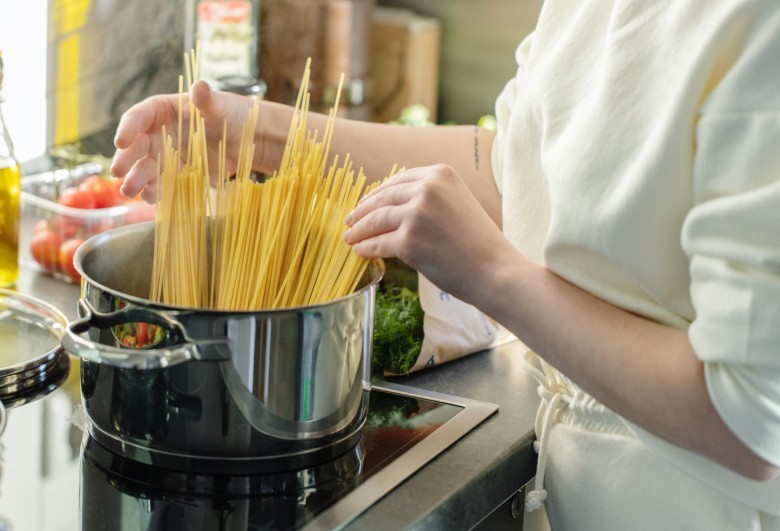
What you add to pasta can be just as important as the pasta itself. Combining it with proteins like chicken, fish, eggs, or legumes, along with fiber-rich vegetables, helps slow glucose absorption and promotes steadier blood sugar levels. Healthy fats, such as olive oil or cheese, also delay stomach emptying, further smoothing the glycemic response.
Even temperature makes a difference. Pasta that is cooled or reheated forms resistant starch, a compound that behaves like fiber and reduces how quickly carbohydrates are digested, leading to a gentler rise in blood sugar.
With thoughtful choices—moderate portions, firmer cooking, nutrient-rich pairings, and occasional temperature adjustments—pasta can remain part of a balanced diet without undermining blood sugar control.















Comments
0 comment