



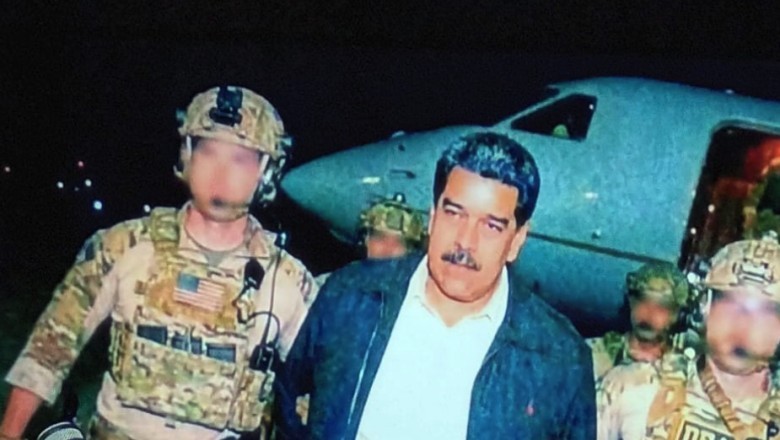
When missions demand speed, silence, and zero margin for error, only a handful of units are ever considered.
In recent hours, multiple international reports have pointed to the alleged involvement of Delta Force, the United States Army’s most elite and secretive special operations unit, in the operation that resulted in the capture of Nicolás Maduro. Officially known as the 1st Special Forces Operational Detachment–Delta (1st SFOD-D), the unit operates at the very top of the U.S. military’s special operations hierarchy and is rarely linked—publicly or unofficially—to any mission.
Delta Force is specifically designed for missions where failure is not an option. Its core objectives include capturing or neutralizing high-value targets, counterterrorism operations, hostage rescues, and covert actions in politically and militarily sensitive environments. Unlike conventional military forces, Delta Force is not deployed for prolonged conflicts; instead, it is built for short, highly precise operations carried out with speed, discretion, and minimal exposure.
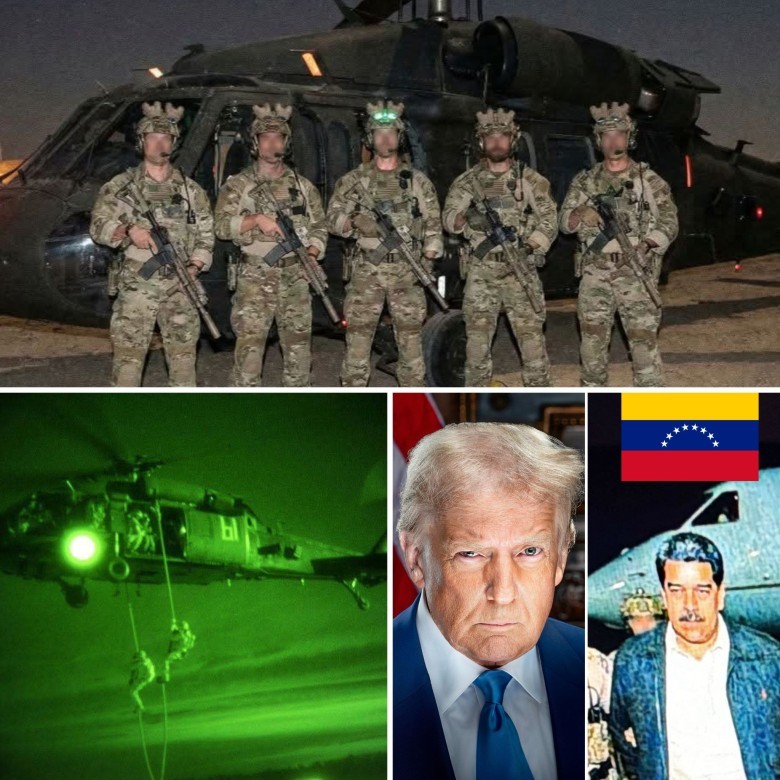
One detail now drawing increased attention is the reported involvement of the 160th Special Operations Aviation Regiment, widely known as the Night Stalkers. This aviation unit specializes in low-altitude night flights, difficult insertions, and rapid extractions under extreme conditions. Notably, both units reportedly conducted joint training exercises weeks before the operation—an activity that was initially viewed as routine but now appears far more significant in hindsight.
According to available information, the operation itself unfolded over the course of just a few hours. Reports consistently describe an absence of visible armed confrontations, no significant collateral damage, and no immediate media exposure. This operational footprint aligns closely with the doctrine of elite special forces: enter quietly, secure the objective, and exit without spectacle or escalation.
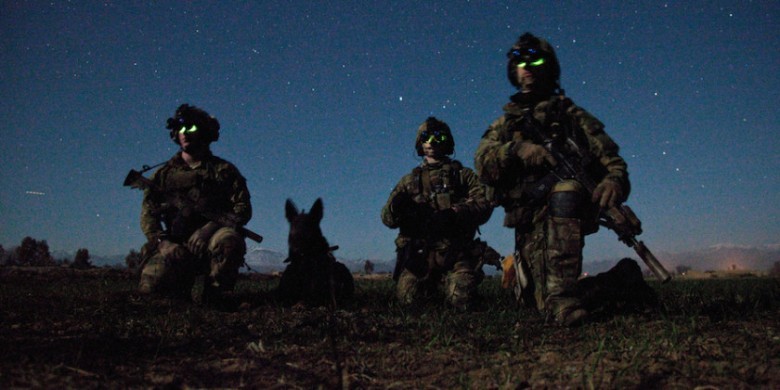
Another defining characteristic of such units is their extraordinary level of secrecy. Delta Force personnel do not wear identifiable insignia, their identities are protected, and many of their missions are never officially acknowledged. When recognition does occur, it often comes years later—if at all—through declassified documents rather than public statements.
Beyond political interpretations or ideological positions, analysts emphasize one central takeaway: the mobilization of units at this level signals extensive planning, coordination, and prior intelligence preparation. Operations involving forces like Delta Force are not improvised responses but carefully calculated actions where timing, discretion, and precision are paramount. In cases like this, the most revealing element is not only what happened—but who was chosen to make it happen.











Comments
0 comment